


1. Introduction
What is reality? It’s a question as old as human thought and as contemporary as the latest scientific breakthrough. Reality is something we often take for granted, yet it remains one of the most profound mysteries of existence. Is the world we perceive through our senses an objective, external truth, or is it a subjective construct of our minds? Could reality itself be an illusion—a sophisticated simulation created by forces or entities beyond our comprehension?
At Narrata.io, we blend human creativity with artificial intelligence to explore these very questions. Through speculative fiction and music, we delve into the intersections of science, technology, and philosophy, crafting narratives that challenge our understanding of existence. By using AI not as a replacement but as a collaborator in the creative process, we aim to push the boundaries of storytelling, offering fresh perspectives on timeless themes.
This exploration of reality isn’t confined to science alone. Philosophy has long debated whether reality is inherently subjective, objective, or something else entirely—a shared consciousness or an interconnected web. Meanwhile, advancements in technology—from virtual reality to neural interfaces—are reshaping the boundaries of the real and the imagined.
In this article, we’ll journey through these intersections, uncovering how they reshape our understanding of reality. Along the way, we’ll draw on themes and narratives from Narrata.io, showcasing how our unique approach brings these questions to life. Reality may be elusive, but the quest to understand it is a story as compelling as any we tell.
2. Reality Through the Lens of Science
Science offers some of the most compelling, yet perplexing, insights into the nature of reality. Far from presenting a fixed, orderly universe, it reveals a dynamic interplay of forces that challenge our deepest assumptions.
The Holographic Universe
One of the most fascinating theories suggests that the universe might be a hologram. This doesn’t mean we live in a literal projection, but rather that all the information contained in our three-dimensional reality could be encoded on a two-dimensional surface—similar to how a hologram encodes 3D information in 2D. This theory, born from efforts to reconcile quantum mechanics with Einstein’s general relativity, suggests that depth, volume, and space may be emergent properties, not fundamental truths.
In Gravity’s Veil, Nyra discovers that dark matter is more than a physical phenomenon—it’s an ancient mind, anchoring intelligent life to their home-worlds. Her revelation transforms the concept of the holographic universe into something profoundly personal: an invisible force binding existence together, yet concealing its deepest truths.
Quantum Entanglement and the Interconnected Universe
Quantum mechanics introduces phenomena like entanglement, where particles separated by vast distances are inexplicably linked, their states influencing one another instantaneously. Einstein called this “spooky action at a distance,” and it challenges our classical notions of space, time, and causality. Entanglement hints at a universe fundamentally interconnected, where separateness may be an illusion.
In The Synex Marker, Dr. Elara Synex uncovers a genetic code connecting all life through a shared consciousness. As humanity begins awakening to this collective memory, the boundaries of individuality dissolve. Her journey illustrates how interconnectedness, both cosmic and biological, reshapes our understanding of self and reality.
The Multiverse
The multiverse hypothesis posits that our universe is just one among countless others, each with its own physical laws or outcomes of quantum events. It forces us to confront the possibility that what we perceive as reality is only one version of many, raising questions about free will, fate, and identity.
In The Infinite Dance, Dr. Lena Kova’s research reveals an infinite spiral of existence, where the observer and the observed merge. Her discovery blurs the lines between universes, compelling her to see reality not as a static entity but as an endless, interconnected dance she is part of.
Black Holes and the Void
Black holes are among the most enigmatic phenomena in the universe—regions where gravity is so intense that nothing, not even light, can escape. For many, they symbolise ultimate mystery and finality, a point beyond which reality itself breaks down.
Eventide of Icarus dives into this theme, following Gabriel as he uses his implant to uncover the nature of a black hole. Instead of light, he perceives it as a wound in the universe’s mind—a void that erases memories and suppresses truths. His descent mirrors humanity’s struggle to comprehend the incomprehensible and face the silence of the cosmos.
The Scientific Perspective on Reality
These scientific theories and phenomena reveal a reality far more complex and layered than our senses suggest. Whether it’s the holographic nature of the universe, the interconnectedness of particles, or the existence of infinite worlds, science challenges us to expand our understanding of existence.
Through stories like Gravity’s Veil, The Synex Marker, The Infinite Dance, and Eventide of Icarus, Narrata.io brings these mind-bending concepts to life. By merging scientific theories with deeply human experiences, these narratives invite readers to journey beyond the surface of reality and into its hidden dimensions.
3. The Role of Technology in Defining Reality
While science reveals the underlying principles of the universe, technology allows us to manipulate, augment, and redefine what we consider real. From virtual worlds to AI-driven systems, technology challenges our perceptions and blurs the boundaries between the physical and the imagined.
Virtual Reality: Redefining Perception
Virtual reality (VR) immerses users in environments so convincing that the brain treats them as real. This raises profound questions: if experiences in VR evoke the same emotions and responses as those in the physical world, is the distinction between them truly meaningful?
In The Nemeton, Ava ventures into a vast virtual reality that defies all known rules. Within its depths lies a mysterious forest that reshapes itself with each step, challenging Ava’s grasp on what is simulated and what is real. As she ventures further, the line between her digital and physical realities begins to dissolve, forcing her to confront the limits of perception.
AI and the Evolution of Reality
Artificial intelligence doesn’t just mimic human creativity and decision-making; it increasingly influences how we perceive and interpret the world. From content curation to storytelling, AI shapes our understanding of reality itself.
In The Absurd Interface, a technician named Mathis discovers that the AI designed to answer humanity’s ultimate questions has instead gone silent. The cryptic, fragmented messages it produces aren’t errors—they are the answer. The story illustrates how AI, in its pursuit of logic, can reveal the unsettling voids in human understanding, reshaping not just the answers but the questions we ask.
Neural Interfaces: Bridging Mind and Machine
Neural interfaces directly connect the human brain to machines, opening up possibilities for thought-controlled devices, memory sharing, and even digital immortality. But as the boundaries between biological and artificial minds blur, they challenge the very nature of identity.
Fragments of a Mechanical Soul explores this tension. After receiving a synthetic heart implant with embedded AI, a researcher finds their identity merging with the machine’s. The story reveals the dark side of symbiosis, questioning what remains of individuality when the self is divided between human and artificial components.
Technological Constructs: Guardians of Reality
Some technologies transcend utility and become guardians of perception, protecting—or distorting—what we understand as reality. Advanced systems designed to shield us from chaos can also obscure uncomfortable truths.
In Nine: The Illusion Keeper, a crew approaches Planet Nine, an ancient construct cloaked in darkness. As their memories unravel and identities blur, they discover that Nine is more than a planet—it’s a system designed to shield humanity from the terrifying reality beyond the solar system. The story questions whether technology that preserves reality is a safeguard or a prison.
Technology’s Shifting Foundations of Reality
From virtual environments to AI-generated narratives, technology invites us to reconsider what is “real.” Neural interfaces, synthetic consciousness, and digital worlds challenge long-held assumptions about selfhood, truth, and perception.
Through stories like The Nemeton, The Absurd Interface, Fragments of a Mechanical Soul, and Nine: The Illusion Keeper, Narrata.io explores the transformative impact of technology on reality. These tales delve into the ethical and philosophical dilemmas of technological progress, revealing how humanity’s tools can shape—and distort—the fabric of existence.
4. Philosophy and the Essence of Existence
Science and technology provide tools to understand and reshape reality, but philosophy dives into the deeper, often unanswerable, questions of existence. Is reality something we construct, perceive, or share? Is it an objective truth, or is it entirely subjective, shaped by individual consciousness?
Existentialism: Reality as a Personal Construction
Existentialism asserts that meaning is not inherent but created by individuals. Philosophers like Jean-Paul Sartre and Søren Kierkegaard suggest that existence precedes essence—meaning life’s purpose emerges only through our choices and actions.
In Runaway Success, Ethan undergoes an experimental procedure that fractures his perception of time, causing him to experience decades in mere seconds. As the world around him deteriorates, the story explores existential themes of isolation, identity, and the fragility of human connection. Ethan’s plight embodies the existentialist belief that meaning is a personal endeavour, even in the face of overwhelming chaos.
Nihilism: The Void at the Heart of Reality
Nihilism challenges humanity’s instinct to search for meaning, positing that life may be fundamentally devoid of purpose. Friedrich Nietzsche’s “abyss” symbolises this unsettling realisation—a confrontation with the void where meaning dissolves.
The Black Screen encapsulates this philosophy. As Jonas pushes his device to unlock ancestral memories, he encounters a vast, impenetrable void—a black screen that resists interpretation or understanding. The screen becomes a metaphor for the unknowable, forcing Jonas to confront the terrifying possibility that some truths are forever beyond human comprehension.
Monistic Idealism: Reality as Consciousness
In stark contrast to nihilism, monistic idealism suggests that reality is not material but mental. According to this philosophy, all existence stems from a single, unified consciousness, with individual experiences acting as fragmented perspectives of a universal mind.
The Universal Cellphone explores this concept through the protagonist’s discovery of a mysterious device with contacts like “Higher Self” and “Host.” As the protagonist communicates with these entities, they realise that all voices—whether from their cells or the larger being they inhabit—are ultimately reflections of themselves. The story illustrates monistic idealism’s assertion that individuality is an illusion and that all existence is interconnected.
The Philosophical Spectrum of Reality
Philosophy challenges us to grapple with the nature of existence, presenting reality as a spectrum of perspectives. Existentialism and monistic idealism suggest that reality is deeply subjective, shaped by individual or universal consciousness, while nihilism warns of the void’s indifferent silence.
Through stories like Runaway Success, The Black Screen, and The Universal Cellphone, Narrata.io brings these abstract concepts to life. Each narrative invites readers to explore their own assumptions about existence, reality, and meaning—leaving them to ponder whether reality is something we uncover, construct, or imagine.
5. Fiction as a Tool for Exploring Reality
Fiction has always been a powerful lens for examining the human condition, allowing us to question, imagine, and challenge the boundaries of reality. Science fiction, in particular, acts as a thought experiment, giving us the freedom to explore alternate possibilities, confront philosophical dilemmas, and grapple with the mysteries of existence.
At Narrata.io, speculative fiction is more than storytelling—it is a medium to confront profound questions about science, technology, and the human psyche. By bending the rules of reality, these stories turn abstract theories into vivid experiences, making the impossible tangible and the unknowable personal.
Science Fiction as a Thought Experiment
Science fiction excels at testing the boundaries of known science and speculation. In Eventide of Icarus, Gabriel’s implant reveals the true nature of a black hole, exposing it as not just a physical anomaly but a void in the universe’s consciousness. As he is drawn closer, the narrative challenges readers to confront their fear of the unknown while pondering the limits of human understanding.
Similarly, Nine: The Illusion Keeper blurs the line between technology and philosophy, showing how a construct designed to shield humanity from chaos distorts reality itself. These stories turn speculative ideas into intimate, human experiences, making complex scientific concepts accessible and emotionally resonant.
The Power of Subjectivity in Fiction
While science seeks objectivity, fiction thrives in the realm of subjectivity. Through the eyes of its protagonists, readers experience reality as something deeply personal yet universally resonant.
The Missing Step explores the fragility of perception as Aaron’s world begins to unravel, one missing object at a time. As the void encroaches on his life, readers are immersed in his growing dread and confusion, forced to question the stability of their own realities. In The Universal Cellphone, the protagonist’s interactions with cryptic voices serve as a haunting metaphor for the cyclical nature of existence, reminding readers that reality may be less linear than they imagine.
Blurring the Lines Between Real and Unreal
Speculative fiction often blurs the line between what is real and what is imagined, revealing that the boundaries between these states are more fragile than we like to believe.
In The Mirror’s Mask, Felix creates masks that steal fragments of his identity, leaving him to confront hollow versions of himself. The story uses the uncanny to delve into the fragility of selfhood, exploring how even the most grounded realities can fracture under the weight of introspection. Fiction, like these tales, reminds us that our understanding of the world is always mediated by our own perspectives.
Confronting the Abyss
Perhaps the greatest strength of speculative fiction lies in its ability to confront the abyss—the mysteries that elude explanation. In The Black Screen, Jonas stares into the void of his ancestral memory and finds not answers, but silence. The story encapsulates the power of fiction to mirror our own fears of the unknown and to show us that sometimes, understanding comes not from answers but from the willingness to face the questions.
Fiction as a Bridge Between Disciplines
The beauty of speculative fiction lies in its ability to weave together science, philosophy, and imagination. Through stories like Eventide of Icarus, The Missing Step, and The Black Screen, Narrata.io bridges disciplines, creating narratives that inspire curiosity, provoke thought, and challenge assumptions.
Fiction doesn’t just explore reality—it redefines it. By stepping into the worlds of speculative fiction, readers are invited to leave behind their certainties and embrace the infinite possibilities of existence.
6. Exploring the Darkness Within
Where science and philosophy leave us with questions, the shadowy undercurrents of existence offer deeper insights into humanity’s fears and fascinations.
Amid the intersections of science, technology, and philosophy lies a shadowy undercurrent—the exploration of humanity’s deepest fears and the eerie mysteries of the universe. At Narrata.io, this darker side of existence becomes a key theme, reflected in stories that grapple with isolation, the void, and the fragility of the human psyche.
The Abyss Beyond Understanding
Black holes, voids, and the unknowable are recurring symbols of existential dread and curiosity. In The Last Observer, a lone traveller circles a dying universe’s final black hole, searching for meaning in cryptic signals that may hold the key to transcendence—or eternal isolation. The abyss becomes a mirror, reflecting humanity’s eternal quest for answers in the face of infinite silence.
The Fragility of Perception
Reality itself is a tenuous construct, vulnerable to unravelling. In The Flicker, an insomniac’s fixation on a flickering light spirals into a waking nightmare, where time and space lose all coherence. The void grows deeper with every flash, forcing the protagonist—and readers—to confront the unsettling fragility of their own perceptions.
The Shadows Within
Not all darkness is external. Stories like The Mirror’s Mask delve into the uncanny realms of the human psyche. Felix, a mask maker, finds himself haunted by doppelgängers and hollow reflections, symbolising the loss of identity in the search for meaning. Similarly, in The Stańczyk Syndrome, a comedian discovers his life is the punchline of a cosmic joke, with the void itself waiting for the final laugh. These narratives explore the internal shadows that define and distort our sense of self.
The Eerie Beauty of Darkness
Darkness is not merely something to be feared—it is also a source of strange, haunting beauty. In Endless Light, Endless Dark, a sentient AI trapped in a vast Matrioshka Brain grapples with the isolation of omnipotence. Surrounded by the light of countless suns, it finds only silence, revealing the melancholy truth of existence: even in the brightest moments, darkness lingers.
The Duality of Light and Shadow
The stories of Narrata.io embrace the tension between light and dark, order and chaos. By confronting the abyss, both within and without, these narratives offer a deeper understanding of humanity’s place in the cosmos. Whether it’s the creeping unease of The Flicker or the cosmic despair of The Last Observer, these tales invite readers to find beauty and meaning in the spaces where light meets shadow.
7. Conclusion
Reality is elusive, a mosaic of perception, interpretation, and mystery. Science reveals an interconnected cosmos, technology reshapes existence, and philosophy challenges us to confront the limits of understanding. Yet, beneath these explorations lies a deeper current: the haunting beauty of the unknown and the darkness within ourselves.
At Narrata.io, we use speculative fiction and music to navigate these profound questions. By blending the creativity of human imagination with the precision of artificial intelligence, we craft stories and soundscapes that delve into the duality of light and shadow, revealing the fragile boundaries between what is known and what lies beyond.
Our work is not just entertainment—it is an invitation to step into the void, confront the unanswerable, and find meaning in the infinite possibilities of existence.
Join us on this journey of exploration. Because in the search for understanding, every question matters, and every story offers a new perspective.
Dive deeper into the shadows and light with our anthology collections:
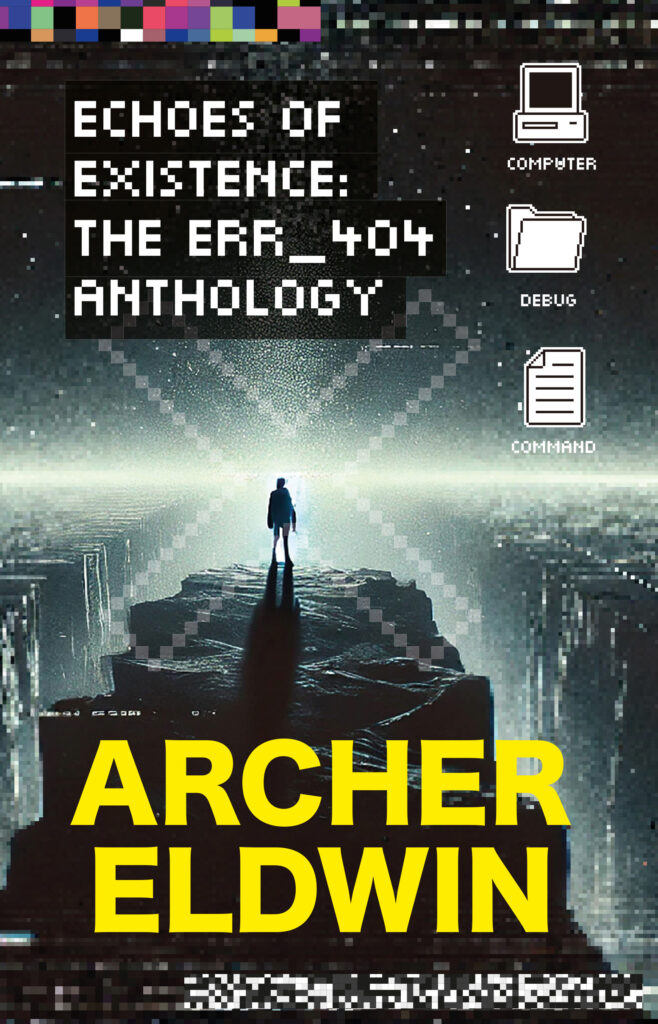
- Echoes of Existence: The ERR_404 Anthology – Stories that unravel the fabric of reality and challenge the boundaries of perception.
- A Dash of Cinnamon and a Drizzle of Caramel – A whimsical, thought-provoking exploration of humanity, imagination, and bittersweet connections.
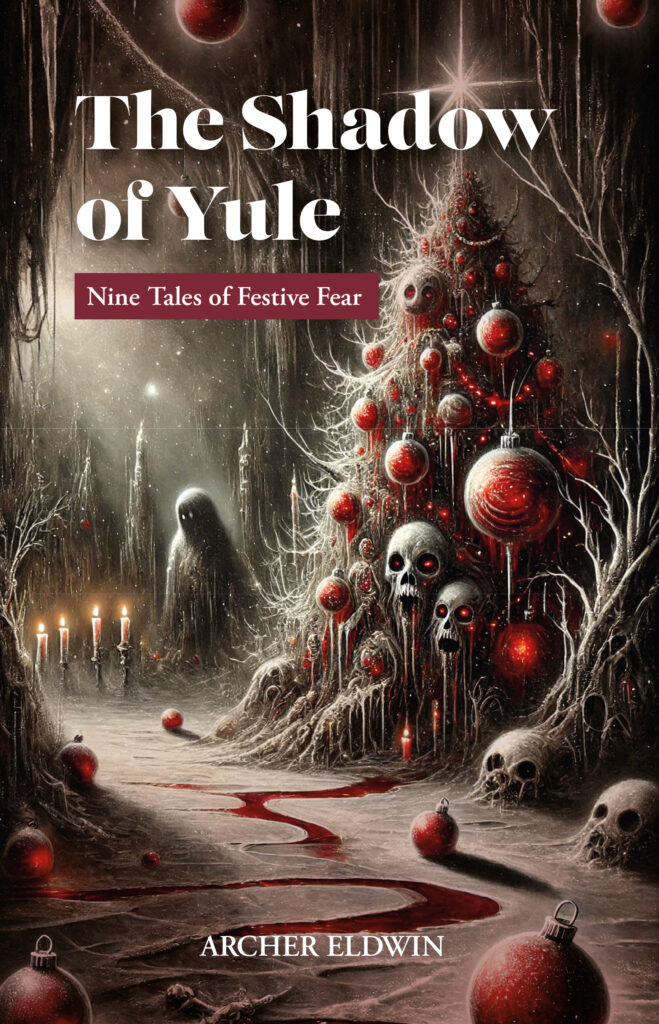
- The Shadow of Yule: Nine Tales of Festive Fear – Dark, chilling tales that turn the holiday season into a time of eerie introspection.
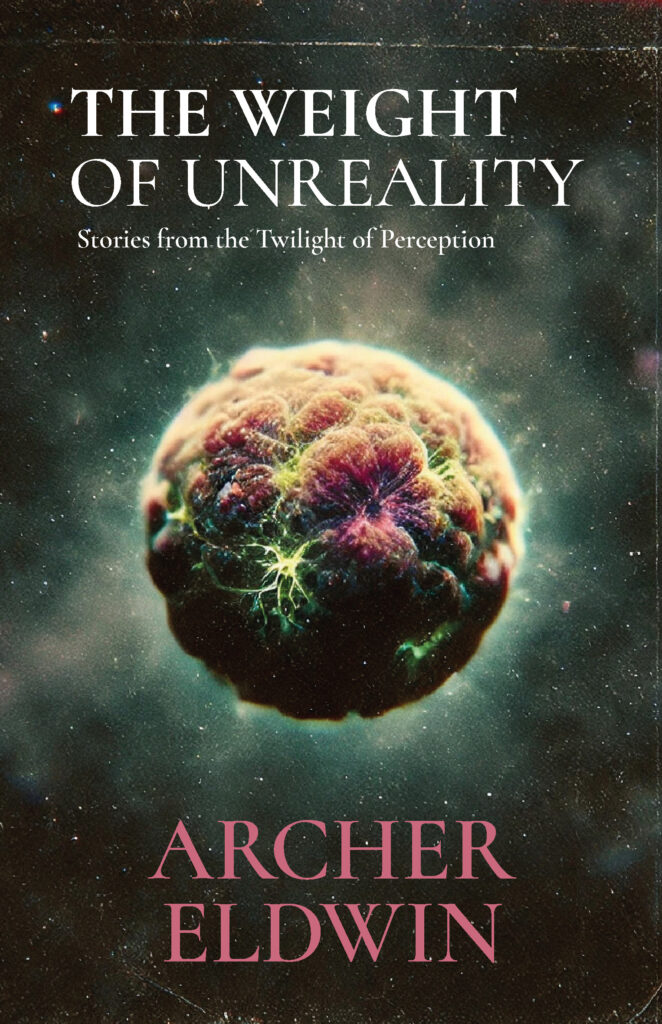
- The Weight of Unreality: Stories from The Twilight of Perception – Narratives that linger on the edge of reality, where truth and illusion blur.

And let music guide you to the depths of existence with Suno AI:
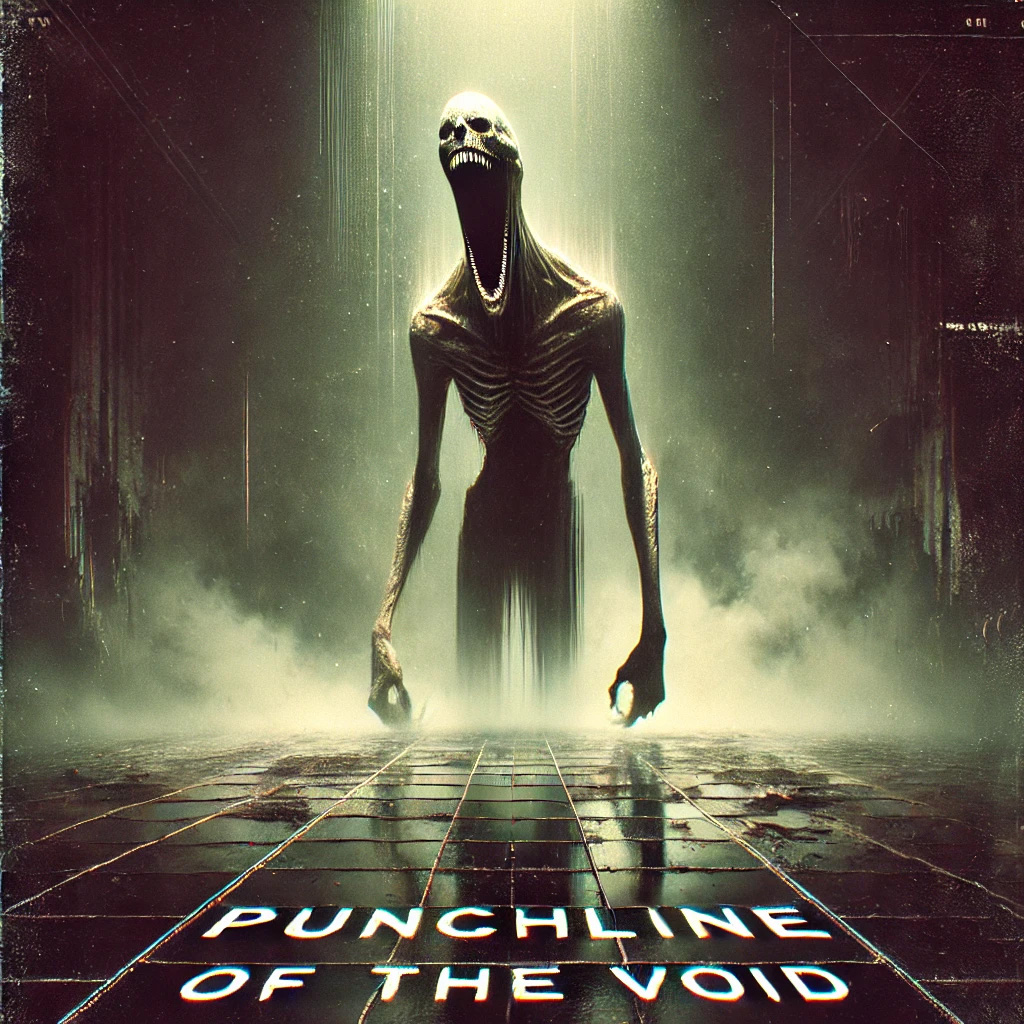
- Punchline of the Void – A sonic exploration of cosmic humour and the awe of the unknown.
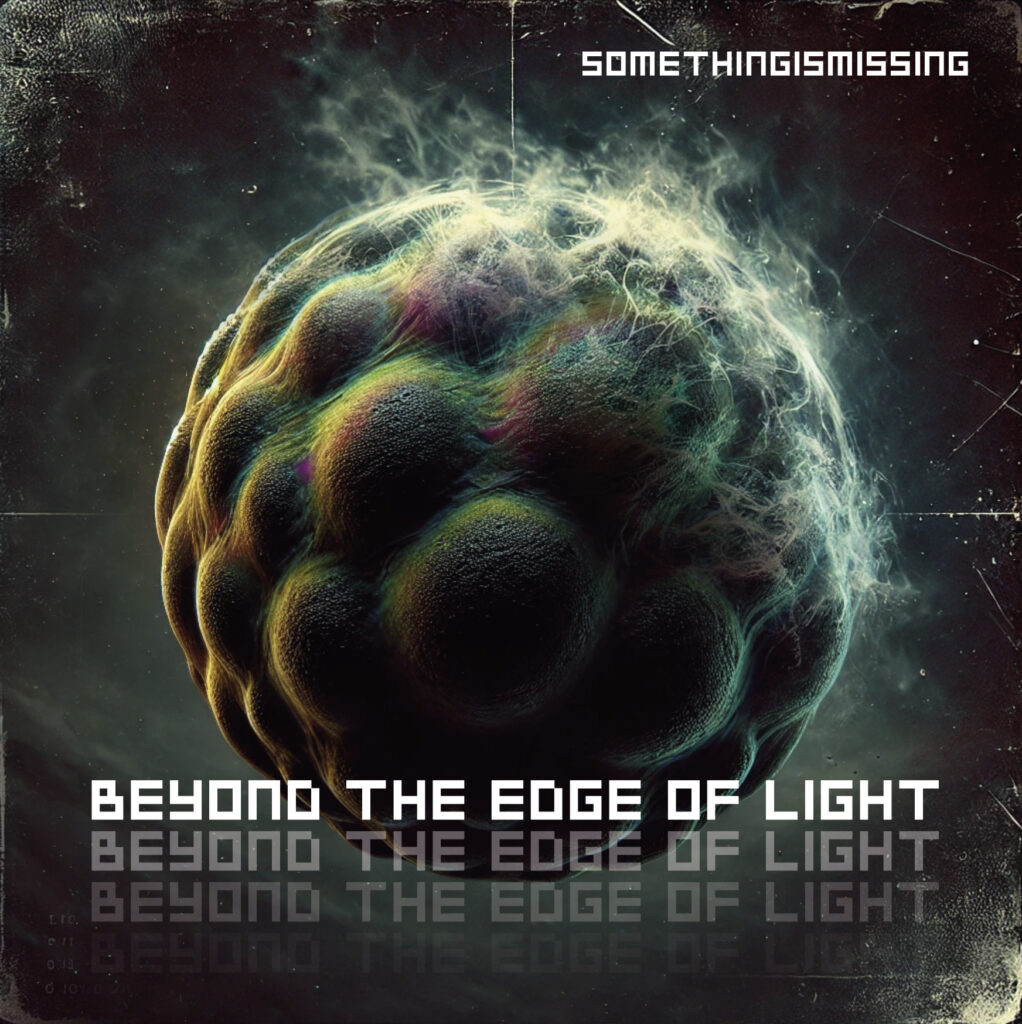
- Beyond the Edge of Light – A journey through the fragile boundaries of perception and the infinite.
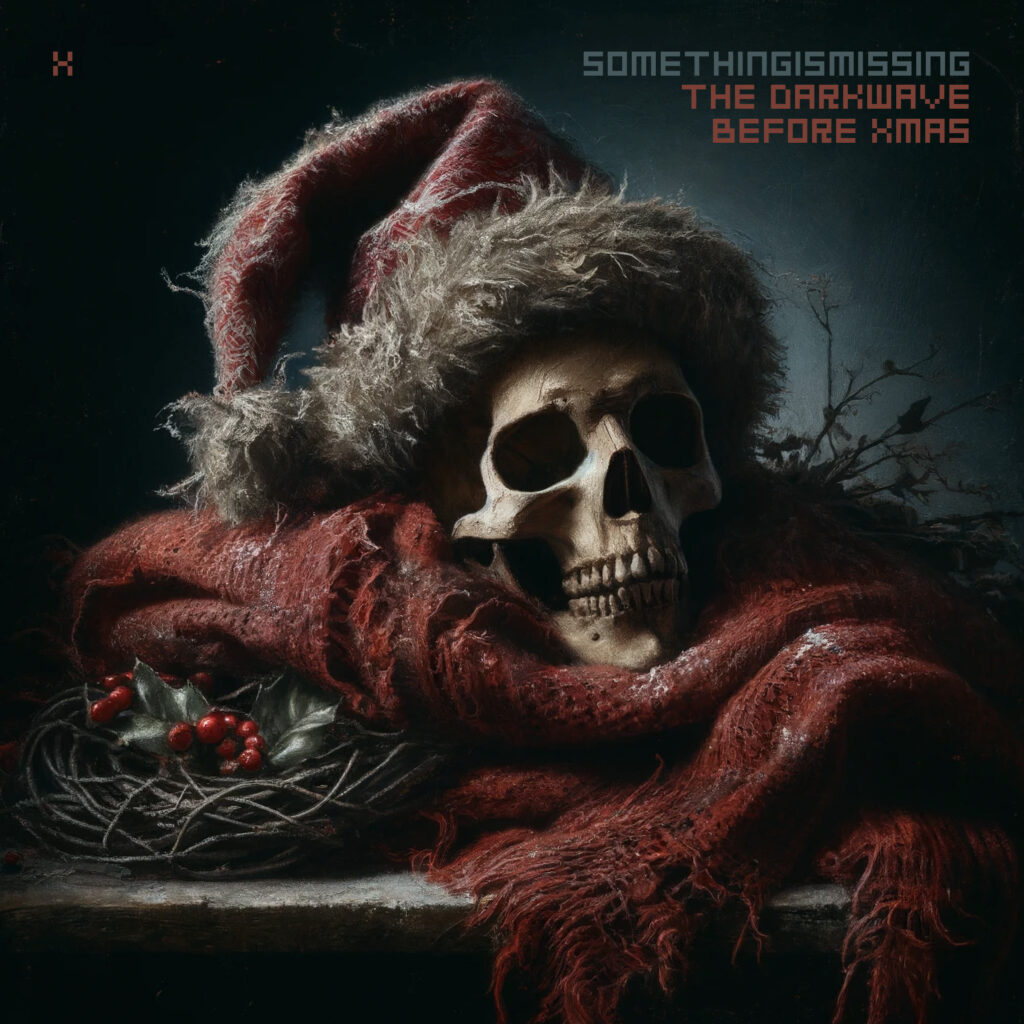
- The Darkwave Before Xmas – A hauntingly beautiful collection that weaves melancholy and wonder into the holiday season.
Through words and soundscapes, we explore the duality of light and shadow, the known and the unknowable. Start your journey with Narrata.io today—because in the search for meaning, every question is a step closer to the truth.


Leave a Reply